From satellite pass to situation report.
When food systems are under stress, the barrier is rarely missing data. It's getting decision-ready intelligence to the right people, fast enough to act. RAAPID closes three gaps.
The Gaps We Bridge
The Visibility Gap
When conflict or disaster cuts off ground access, the data goes dark. RAAPID reads the ground from space when no one can reach it.
The Speed Gap
Assessments can take months. Shocks don't wait. RAAPID delivers in days, while action can still change the outcome.
The Coordination Gap
In a crisis, analyses are scattered and arrive too late to line up. RAAPID connects them into one shared, transparent picture.
How it Works
-
A lean response Center coordinates a global network of experts who surge into action the moment a shock hits. We pair satellite imagery with socioeconomic and market data to map croplands, estimate yields, and project production, often where no one can safely reach the fields. Every assessment is validated where ground data exists and delivered with its uncertainty quantified, in days rather than months. We then place the findings in the wider market and food-security picture, so decision-makers get not just data, but what it means for action.
-
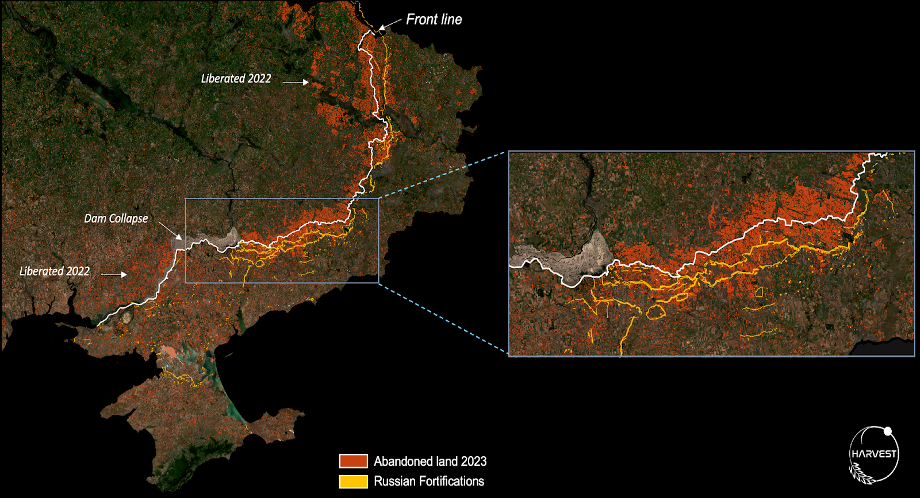
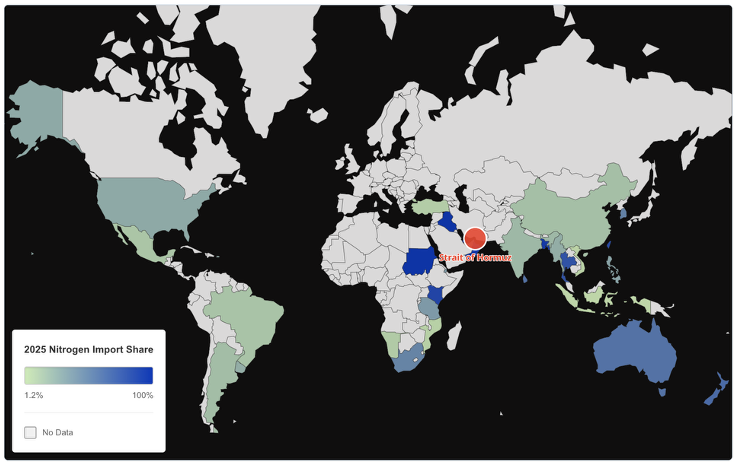
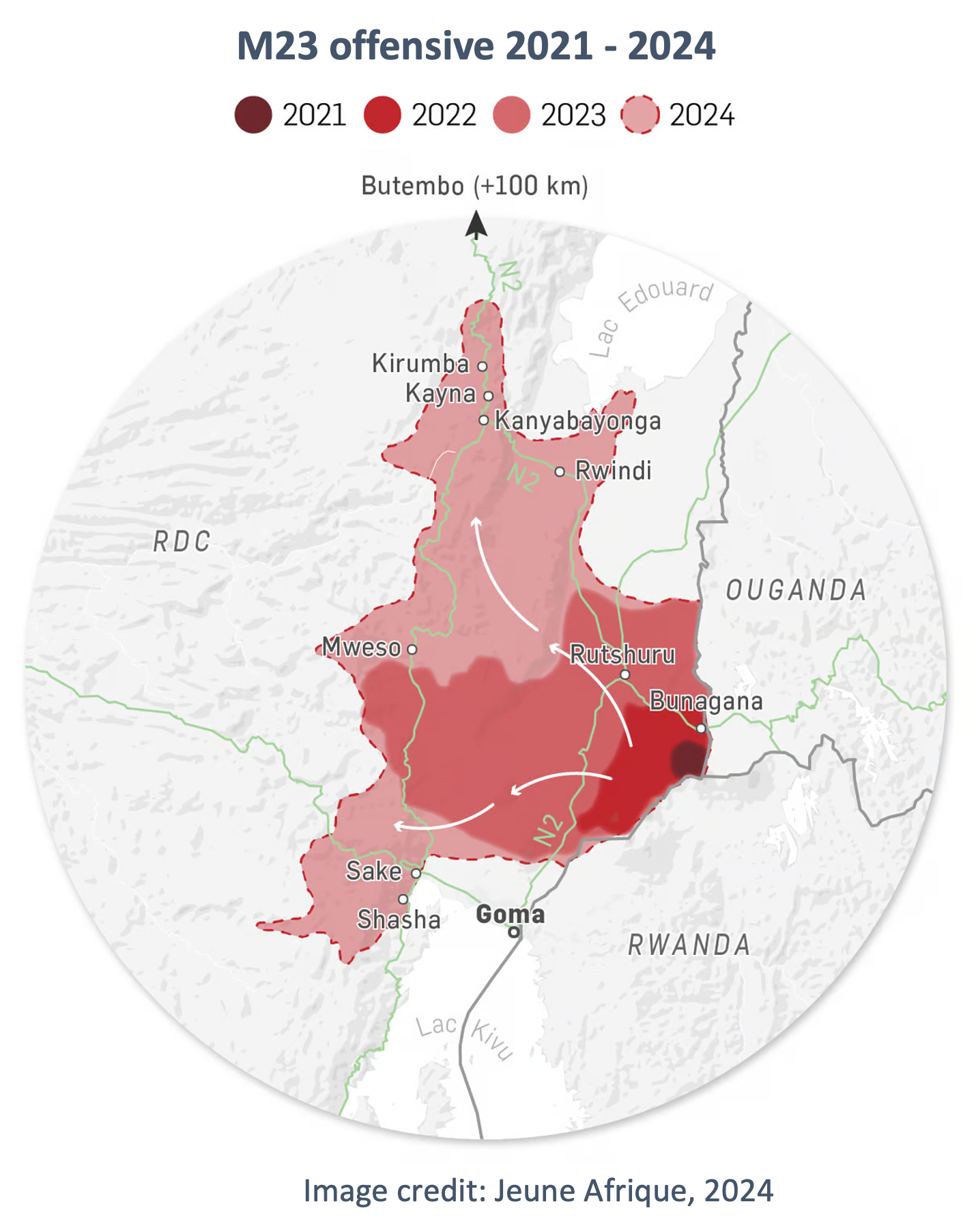
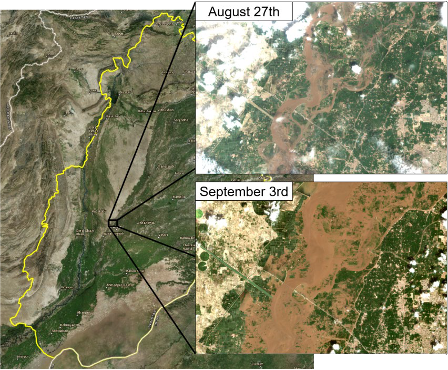
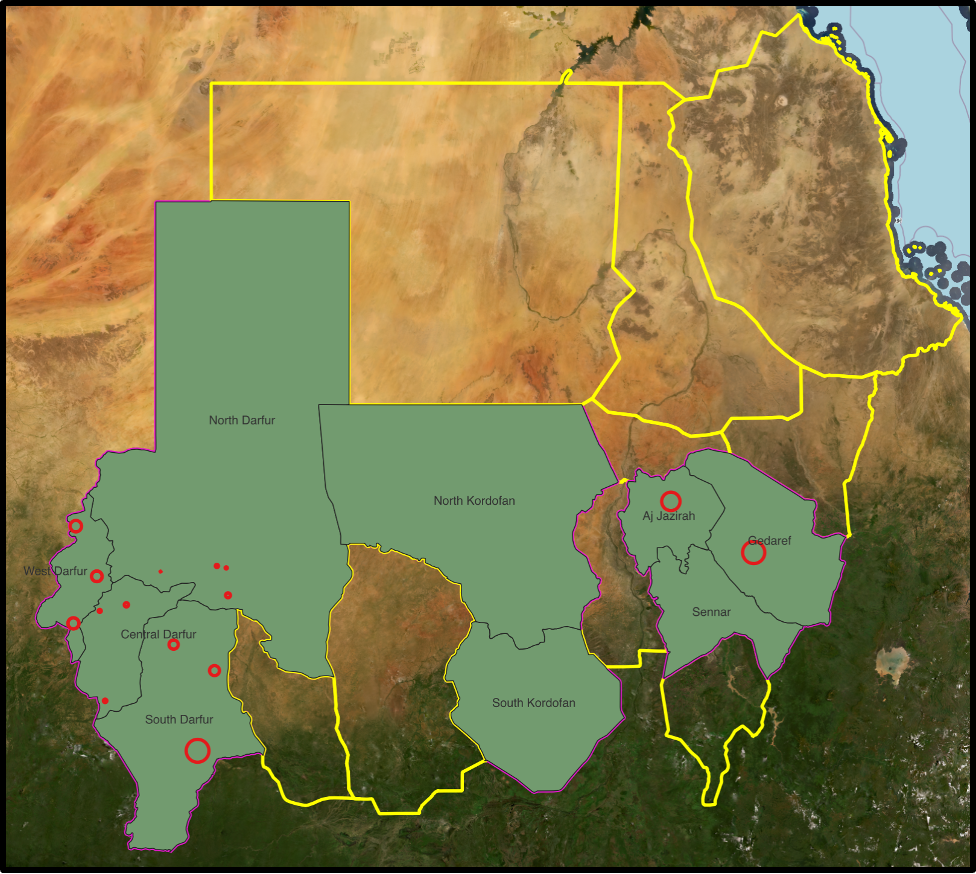
Built in response to real-world demand and user requests, RAAPID addresses growing needs for rapid agricultural intelligence amid climate extremes, market uncertainty, and other food system shocks. RAAPID has already delivered assessments across the globe, spanning conflict (Ukraine, Sudan, DRC, Ethiopia-Tigray), severe weather (Pakistan, Malawi), and production uncertainty (Russia, China).
Through NASA Harvest, these assessments have played a key role in addressing critical data gaps, guiding policy and decision-making, and enabling targeted responses in areas where timely and reliable information is limited. Now incubated by RF Catalytic Capital, RAAPID will continue to expand these capabilities and scale its impact to address emerging agricultural and food security challenges worldwide.